How to Choose the Best Mannequins for Online Clothing Photography?

Time:2026-05-31 Author:Isabella
0%

Choosing the right mannequins for online clothing photography is crucial for effective visual merchandising. High-quality images attract potential buyers and elevate your brand's appeal. But how do you ensure that your chosen mannequins will enhance your photography?

When considering how to choose mannequins for online clothing photography, think about the size and fit of your garments. A mannequin that accurately represents your target demographic can significantly impact customer perception. Additionally, the material and pose of a mannequin can influence how clothing drapes and moves, highlighting its best features. It's vital to reflect on whether your mannequin selection aligns with your brand's image.

However, the process may not be straightforward. There can be overwhelming options, and one size does not fit all. Reflect on your specific photography needs and experiment with different styles. Perhaps some mannequins may not showcase your clothing effectively, leading to less engaging photos. Therefore, testing multiple options before making a final decision is wise. Balancing aesthetics with practicality will ultimately improve your online clothing photography experience.
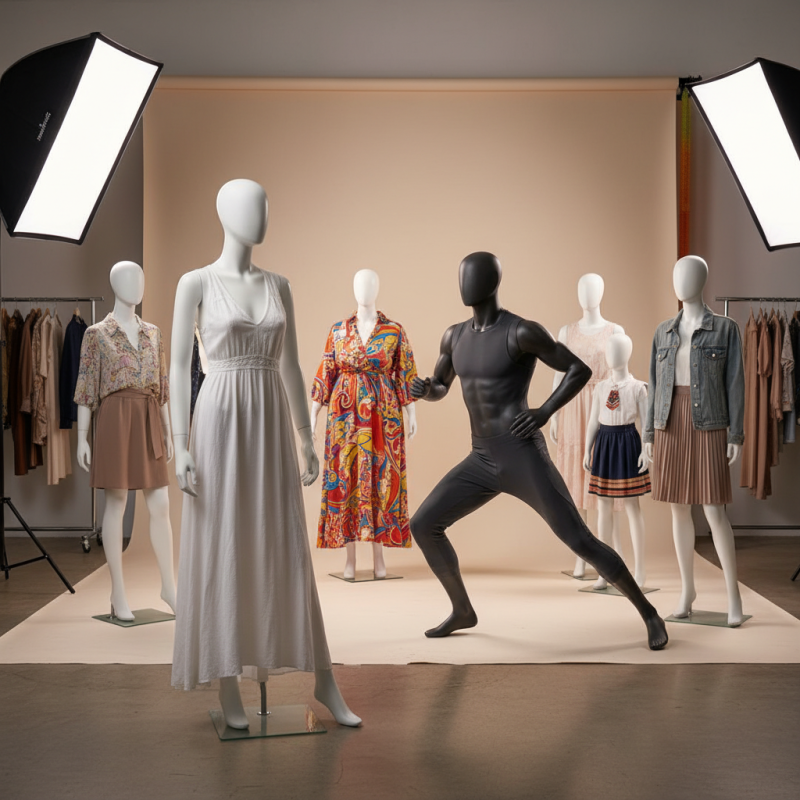
How to Choose the Best Mannequins for Online Clothing Photography?

Understanding the Importance of Mannequins in Online Clothing Photography

Mannequins play a crucial role in online clothing photography. They help present garments in a realistic way. When shoppers see clothing on mannequins, they can visualize how the pieces look when worn. This helps create a connection between the item and the customer. A good mannequin can enhance the appeal of clothing and improve online sales.

Choosing the right mannequin is not straightforward. It’s important to select one that reflects your target audience. Body shapes and sizes should vary to cater to diverse customers. Consider using mannequins in different poses to convey various styles. This adds life to your product photos.

**Tips:**
Use neutral tones for your mannequins to keep the focus on the clothing. This will prevent distractions. Always ensure proper lighting when photographing. Shadows can ruin an otherwise perfect shot. Experiment with angles and distances to find the most flattering views of each piece.

Types of Mannequins Suitable for Different Clothing Styles

Choosing the right mannequin is crucial for online clothing photography. Different clothing styles require specific mannequin types to showcase apparel effectively. For instance, using a full-body mannequin works well for dresses and suits. It highlights the garment's drape and fit. In contrast, a torso mannequin can be ideal for tops and accessories, providing a compact view that emphasizes details.

According to industry reports, mannequins can significantly affect consumer perception. A study revealed that 70% of online shoppers prefer to see clothes modeled. This preference underscores the importance of choosing the right type of mannequin. Use realistic skin tones and poses that match the target audience. This can enhance relatability and engagement.

Tips: Choose mannequins that reflect your brand’s style. If you sell activewear, opt for dynamic poses. Skeletal or abstract mannequins work for high-fashion garments. Remember, imperfections do exist; consider seam details or fabric behavior while capturing shots. This attention enhances authenticity. Always reassess your choices based on feedback and sales reports. Adjusting mannequin types can lead to better visualization and increased customer interest.

Factors to Consider When Selecting Mannequin Materials and Shapes

When selecting mannequins for online clothing photography, material and shape are crucial factors. The right material impacts durability and realism. Many professionals prefer plastic for its lightness and ease of transportation. However, fabric-covered mannequins offer a softer look, ideal for a more luxurious presentation. A study by the Fashion Institute reveals that 80% of consumers feel more engaged with realistic visuals.

Shape also plays a significant role. Selecting a mannequin that reflects your target demographic helps enhance brand appeal. For instance, plus-size mannequins can showcase a diverse range of sizes, catering to a broader audience. In fact, a report from the Apparel Marketing Association indicates that including diverse models increases sales by as much as 30%.

Tip: Consider the intended use when selecting mannequin shapes. For dynamic sportswear, an athletic shape works best.

Balance is essential. While realistic mannequins attract more customers, overemphasizing aesthetic appeal might lead to misrepresentation. Buyers prefer seeing items on models that they can relate to.

Tip: Test different styles to see which resonates with your audience. Observing engagement metrics can guide your choices.

How to Properly Pose Mannequins for Effective Clothing Presentation

When it comes to presenting clothing effectively, the way you pose your mannequins can make a significant difference. A well-posed mannequin can showcase the garment's details and enhance its appeal. It’s essential to understand how body positioning can influence the viewer’s perception of the clothing.

Pay attention to the angles. Positioning the mannequin at a slight angle often highlights the clothing's contours better than a straight-on stance. You might also experiment with the mannequin's arms to create a more dynamic look. Slightly bending an arm or tilting the wrist can give the impression of movement and life.

Lighting plays a crucial role too. Soft, diffused lighting can help reduce harsh shadows and highlight fabric textures. Place the mannequin in a well-lit area or use reflectors to create soft shadows. Remember, the goal is to make the clothing look inviting and lifelike.

Try to bring some personality into the display as well. A confident, relaxed pose speaks volumes. Small tweaks to the position of the head or shoulders can reflect the garment's vibe. If the clothing is casual, a laid-back stance may work. For formal wear, a more poised attitude might be appropriate. These nuances matter in making the clothing resonate with potential buyers.

Tips for Maintaining and Styling Mannequins for Photography Sessions

When selecting mannequins for online clothing photography, styling and maintenance are essential. The right mannequin enhances your clothing's appeal. It showcases draping, fit, and design better than a simple flat lay can.

Tip: Choose mannequins that closely match your target audience's body types. This increases relatability and potential sales. Ensure that your mannequin complements the clothing. Consider different poses to express various styles effectively.

Maintaining your mannequins is crucial. Clean them regularly to remove dust, smudges, and any marks. Inspect them for issues like cracks or scratches that could affect your photography. Keep the clothing wrinkle-free to present a polished look.

Tip: Use steamers or clothing rollers for last-minute touch-ups. Your attention to detail reflects in your online shop. Think about how your mannequins interact with the lighting in your space. Experiment with backgrounds and props for varied results.

FAQS

: Why are mannequins important in online clothing photography?

: Mannequins help show garments realistically, allowing shoppers to visualize how clothes look when worn.

How do I choose the right mannequin?

Select mannequins that reflect your target audience's body shapes and sizes. Different poses can also make a difference.

What types of mannequins work for different clothing styles?

Full-body mannequins suit dresses and suits. Torso mannequins are ideal for tops and accessories, emphasizing details.

How do mannequins affect consumer perception?

Studies show that many shoppers prefer seeing clothes modeled. The right mannequin enhances relatability and engagement.

What materials are best for mannequins?

Plastic is lightweight, but fabric-covered mannequins provide a soft, luxurious look. Consider durability and realism.

How does the shape of a mannequin impact sales?

Choosing shapes that reflect your demographic, like plus-size mannequins, can increase engagement and boost sales.

What should I consider to keep mannequins relatable?

Avoid overemphasis on aesthetic appeal. Showcase realistic representations to resonate with a broader audience.

Should I experiment with different mannequin types?

Yes, testing various styles and observing engagement metrics can lead to better visualization and increased customer interest.

How important is lighting when photographing mannequins?

Proper lighting is essential. Poor lighting can ruin the shot, making the clothing look less appealing.

Are there any weaknesses in using mannequins?

Overly perfect mannequins might create unrealistic expectations. Consider showing some imperfections to enhance authenticity.

Conclusion

When considering how to choose mannequins for online clothing photography, it's essential to understand their significant role in showcasing apparel effectively. The right mannequin can enhance visual appeal and convey the style of clothing better than flat images alone. Various types of mannequins, including full-body and abstract forms, cater to different clothing styles, allowing for a tailored presentation that resonates with your target audience.

Key factors to consider include the materials and shapes of the mannequins, as they can dramatically influence how the garments hang and reflect light. Proper posing is crucial for effective clothing presentation, ensuring that the garments are displayed attractively and realistically. Additionally, maintaining and styling mannequins is vital for achieving the desired aesthetic during photography sessions. By following these guidelines, you can make informed decisions that elevate your online clothing photography to new heights.

Isabella

Isabella

Isabella is a dedicated marketing professional with a sharp focus on driving brand growth and engagement through strategic content creation. With an extensive background in digital marketing, she combines her passion for storytelling with her keen understanding of industry trends to deliver......